

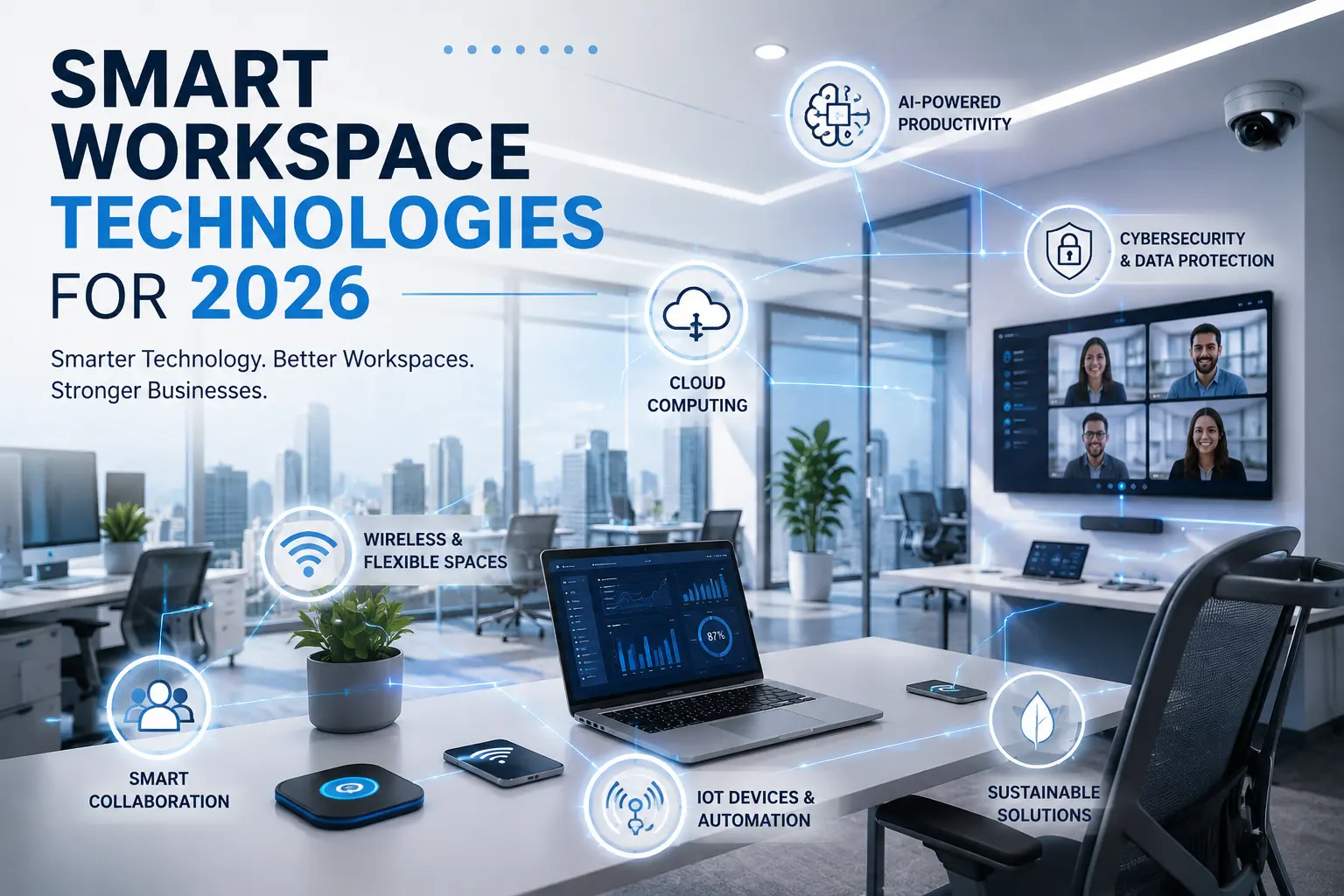
Smart workspaces are changing rapidly with the introduction of advanced technology which provides companies with increased efficiency and improved employee satisfaction, as well as better means of communicating and collaborating with their people. By 2026, smart workspace technology will likely be central to innovative organizations that want to create high number workplaces that are effective, agile, and adaptable.
With advances including artificial intelligence and connecting devices, companies across all industries are employing creative solutions to enable teams to work more efficiently and achieve greater success.
Being more productive with AI
AI is changing how people do their jobs. With the help of AI virtual assistants or personal assistants you are able to set up meetings, summarize email, manage your project office or automate repetitive tasks. Allowing you to concentrate on your more strategic or creative initiatives rather than spending time doing administrative tasks.
Organizations are now incorporating more AI technologies into their business processes as they look to increase efficiency and decrease cost of doing business.
Intelligent Collaboration Solutions
Hybrid and virtual working practices are still continuing to gain traction; therefore, innovative collaboration solutions have become essential. Video conferencing, cloud project management, and real-time document sharing help teams collaborate across distances.
The above technologies facilitate productive teamwork between geographically dispersed employees.
Flexible Workspaces Leverage Wireless Technology
Rather than traditional workplace models with fixed desks and abundant cabling connecting other devices (e.g., laptops/tablets), some entities have established flexible workspaces featuring wireless networks.
Hot desking and smart-booking systems enable companies to optimize their office spaces for more effective use of the facilities’ resources as well as provide hybrid work solutions to their workforce.
Cloud Computing Is The Future For Accessing Information
The cloud remains the primary infrastructure used in 2026 workplaces; employees have secure access to files, applications, and business processes, regardless of where they are located.
Cloud solutions make it easier for businesses to operate, allow for improved collaboration and provide the flexibility that businesses require in our fast-paced and ever-changing work environment.
Cybersecurity Measures Are Changing For The Digital Workplace
The emergence of a digital workplace has created an increased need for cybersecurity in order to protect sensitive information. Organizations are implementing additional cybersecurity technologies such as M-Factor and biometric authentication, and AI-based threat detection.
These digital solutions improve the security of sensitive business data and give employees secure access to digital resources.
Ways to Create a More Sustainable Work Environment
Being environmentally conscious is an increasing priority for companies throughout the world. Business operations can significantly reduce their impact on the environment through smart energy management systems, paperless workflows, or the use of environmentally-friendly technology in their facilities.
Integrated into an organization’s processes, these sustainable solutions can help an organization save money through reduced costs for operation.
Internet of Things (IoT) Devices
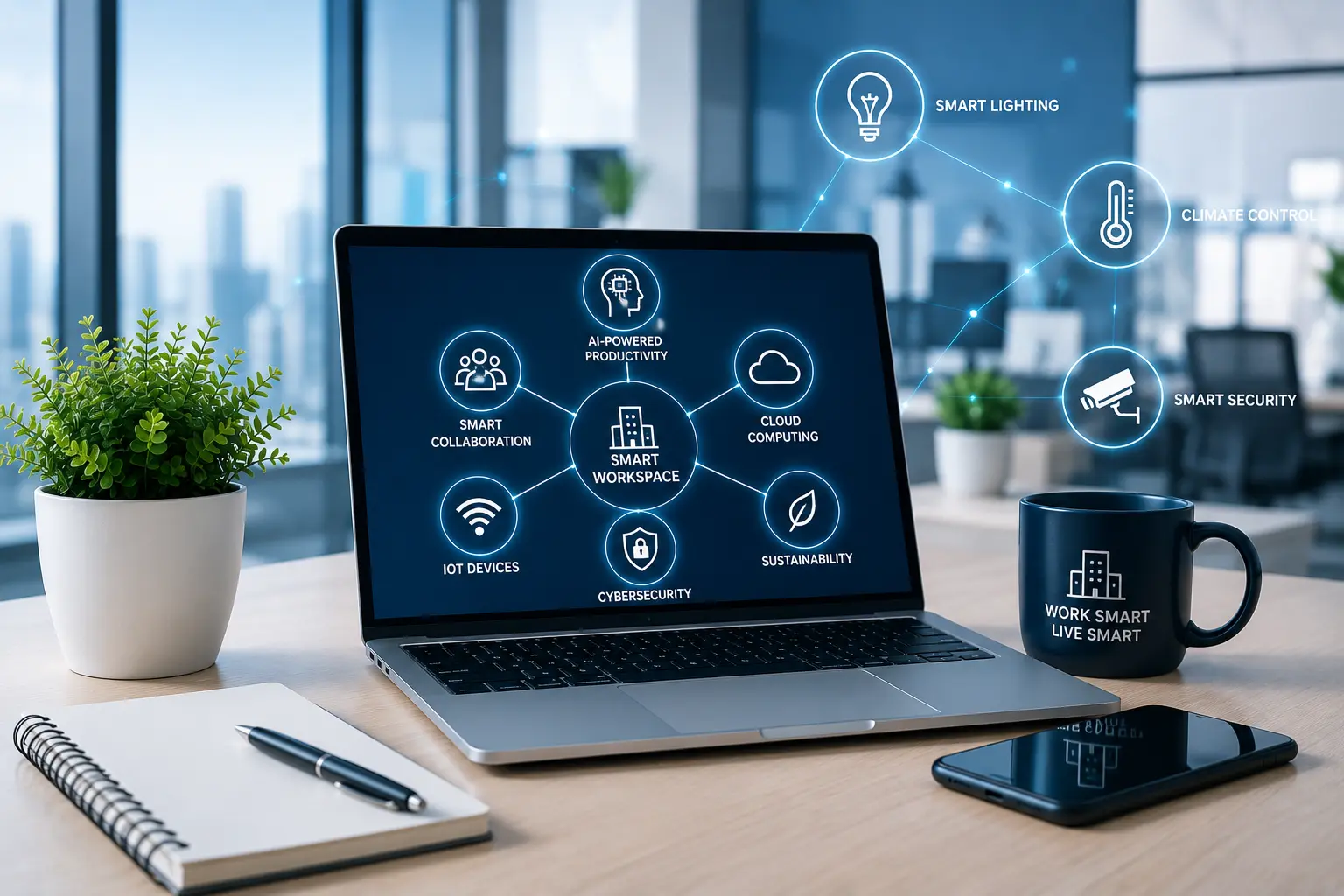
The IoT is increasingly enabling smart workspaces. Connected technology systems, such as lighting that responds to occupancy, are programmed to automatically adapt to changes in the workplace to create an environment that provides comfort and increases energy efficiency.
These devices benefit both the business (through reduced utility costs) and their employees by providing greater overall experiences in the workplace.
Conclusion
But also expect to see major advances in workplace technology over the next five years. Emerging technology such as AI, IoT and cloud computing will help organizations boost operational efficiencies, secure their workspaces and meet the needs of their employees with a variety of collaborative tools.
By investing in these new technologies now, companies will be able to quickly adapt to the many changes happening in their work environment while remaining competitive moving forward. Today’s investments in smart workplace technologies will be future investments in increases in productivity and sustainability.