

How Trends Drive a Safer Digital World in the Future of Cybersecurity
Technology has become a powerful force in today’s life, with smartphones, cloud computing, artificial intelligence (AI), and the Internet of Things (IoT) all playing a significant role in our daily routines. Cybersecurity is even more vital in this era when technology is so integrated into our daily lives. Digital systems are integral to businesses, governments, and individuals to communicate with each other, keep banking records, health services, shop and entertain. But today, in the era of over-dependence on technology, hackers too have found new avenues.
But the future of cybersecurity will be about not just protecting defenders preparing for new threats – it will be about menacing a complicated attack. New technology, new cyber threats, regulation – all are changing how organisations need to protect their digital assets.
AI-Powered Cybersecurity
AI is quickly emerging as a powerful weapon in the cybersecurity arsenal. While traditional security systems are built around a set of rules that are designed to recognize threats, AI can use its ability to analyse huge volumes of data and identify when something is happening that’s not expected, before it gets to the stage of a big problem.
Malware detection, phishing attempts and suspicious traffic can be identified much more quickly with machine-learning algorithms than by manual analysis. Cybercriminals are also leveraging AI to craft highly realistic-looking phishing emails and automate attacks while searching for vulnerabilities in software and software applications. As such, cybersecurity practitioners need to continuously evolve their cyber defence mechanisms using AI to maintain the edge.
Zero Trust Security
Simply put, there is no larger security trend influencing the future than Zero Trust. Zero Trust goes beyond the “trust but verify” approach of traditional network security methods that blindly trust users within a network.
All users, devices, and applications need to be verified before being given access to sensitive data. This is a safer strategy for security for today’s organisations since it lessens the risks of insider threats, compromised accounts and unauthorised access.
The Cloud Security Importance is Rising
With businesses still transitioning data and applications to the cloud, security of cloud environments is a priority. Unfortunately, weak passwords, misconfigured cloud services and unsafe APIs are still prevalent sources of data breaches.
These are just some of the additional features that will be found in future cloud security solutions, such as: Greater encryption levels, automated threat detection capabilities, ongoing monitoring, and enhanced identity management techniques. Organisations will also spend more on providing proper cloud architecture and employee training to eliminate human errors.

The Rise of Ransomware
Ransomware is one of the world’s most harmful cyber-attack challenges. An attacker encrypts an organisation’s data files and asks for ransom for their safe return.
Going forward, cyber strategies will be geared toward prevention, not recovery. Employee awareness training, regular data backups, endpoint detection systems, and quick incident response plans will be crucial factors in reducing the effects of ransomware attacks.
Challenges of Securing the Internet of Things (IoT)
Today, billions of Internet of Things devices are connected to the Internet, ranging from smart homes to connected health devices. Unfortunately, not all of these devices are well equipped with security apparatus and are therefore easy targets for hackers.
There’ll be an improvement in embedded security mechanisms on the manufacturers’ side, and reinforcements of authentication mechanisms, firmware updates and network segmentation on the organisations’ side to ensure the security of connected devices.
Preparing for Quantum Computing
While still in its nascent stage, quantum computing could crack numerous encryption methods used today. This might potentially be a threat to existing cybersecurity protocols.
To anticipate this, scientists and tech firms are already working on encryption technology that is resistant to quantum computers. Organisations which early embrace these new security norms will be better secured from forthcoming risk.
The Need for Human Awareness Continues
With as much technology as has emerged, the human element has been the most vulnerable component in computer security. Human error – whether clicking malicious links or using weak passwords – is often the first step in many successful attacks.
Ensuring regularly scheduled cyber security awareness training, the use of multi-factor authentication (MFA) and robust password procedures will remain vital for mitigating cyber risk. Investing in the best security technology is as critical as building a security first culture.
Conclusion
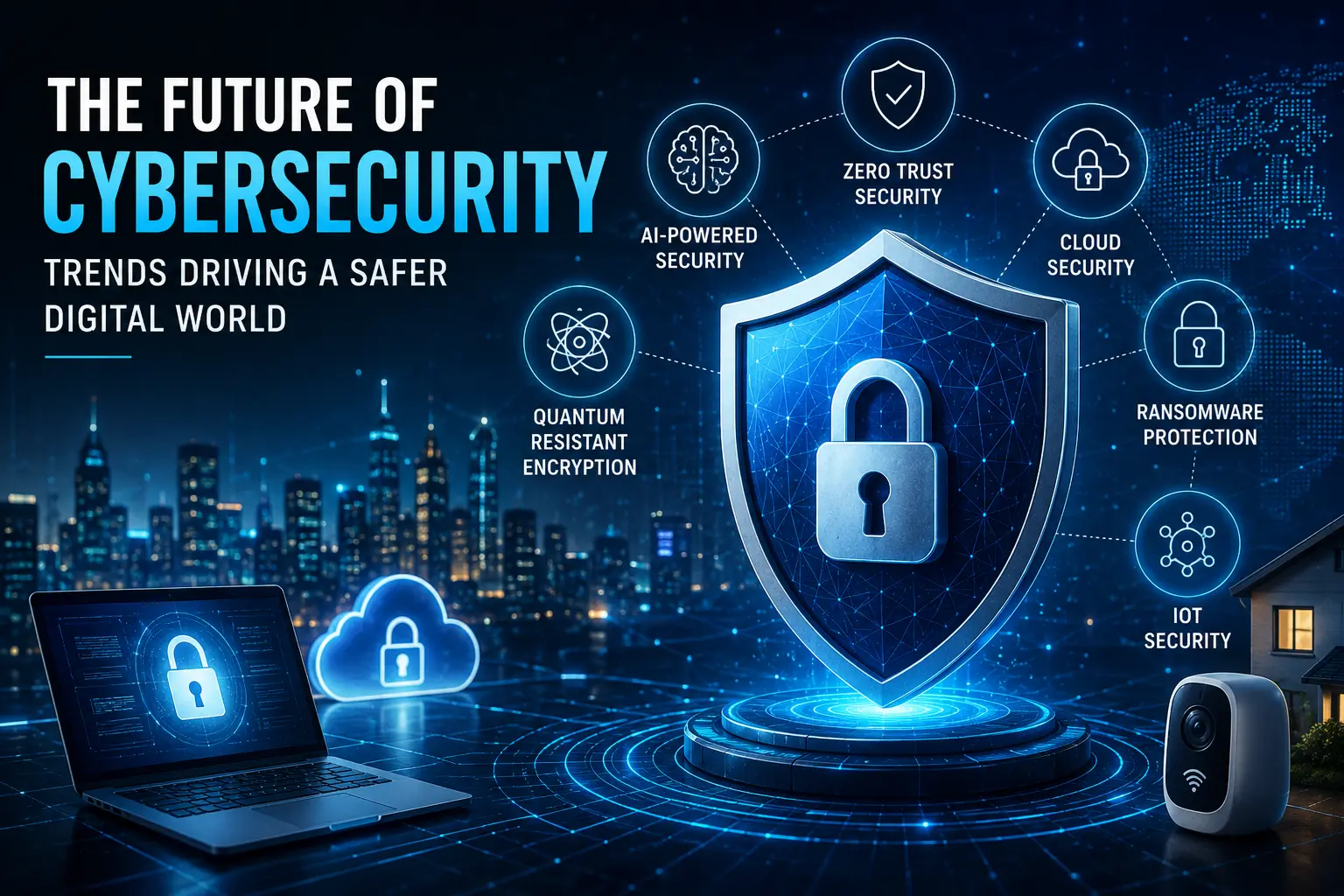
The ever-changing nature of technology and evolving cyber threats will define the future of cybersecurity. AI-driven defence mechanisms, Zero Trust architecture, cloud security, quantum-resistant encryption, and enhanced protection for IoT devices are likely to be key areas in modern cybersecurity strategies.
Cybersecurity is, as always, a joint endeavor although technology will keep changing. Organizations need to invest in an enhanced security system, governments should rework the rules and ensure that individuals turn to safe online behavior. This is an aging in which staying informed and proactive ensures a safer digital future, one in which innovation and security are intertwined.